
Resolution and recovery
Host transcriptional and chromatin states return to baseline as the epithelium regenerates.
Research
Influenza A virus and SARS-CoV-2 alter how the infected cell processes RNA and organises chromatin. Using human airway models, mouse models and long-read multi-omics, we define these changes, the mechanisms that generate them and their consequences after viral clearance.
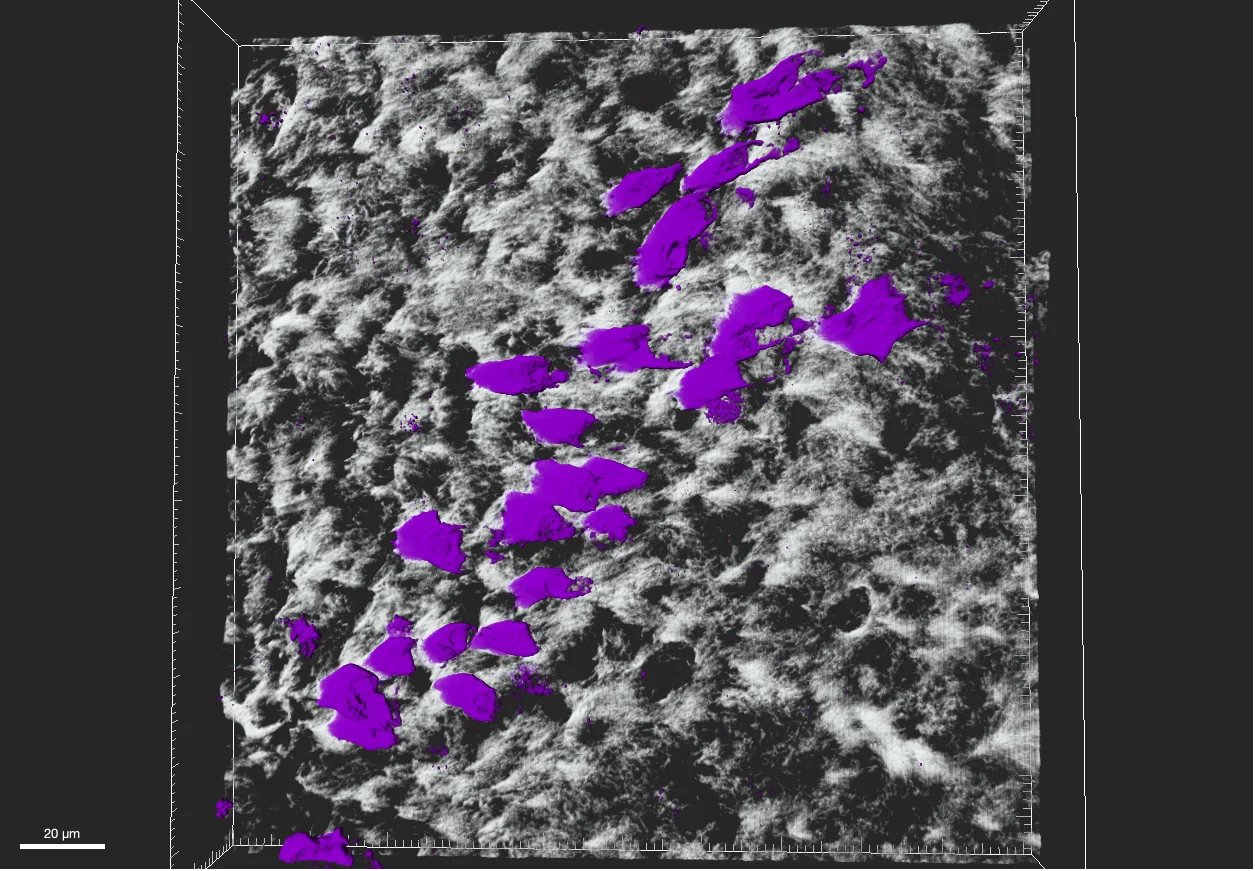
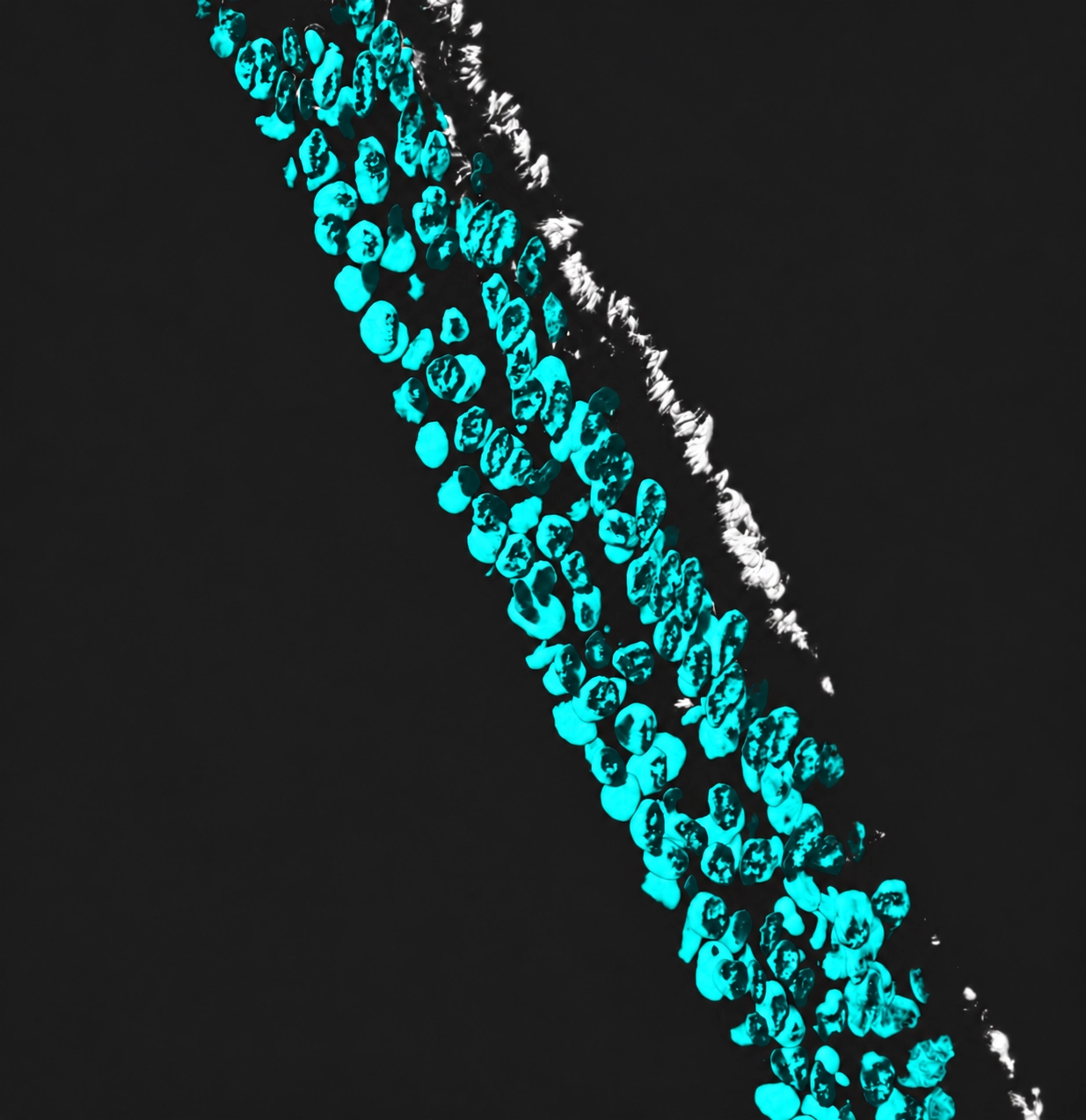
01
Infection alters host gene regulation at two levels: RNA processing and translation, and chromatin organisation. We examine how these changes arise, their function during infection, and whether they persist after viral clearance.
01.1
Viral infection generates a diverse repertoire of alternatively processed and translated RNAs and proteins, much of which is missed when analyses are restricted to annotated genes and transcripts. Using long-read sequencing and multi-omics, we identify these infection-specific molecules, define the mechanisms that generate them and determine how they shape host-virus interactions.
Approaches
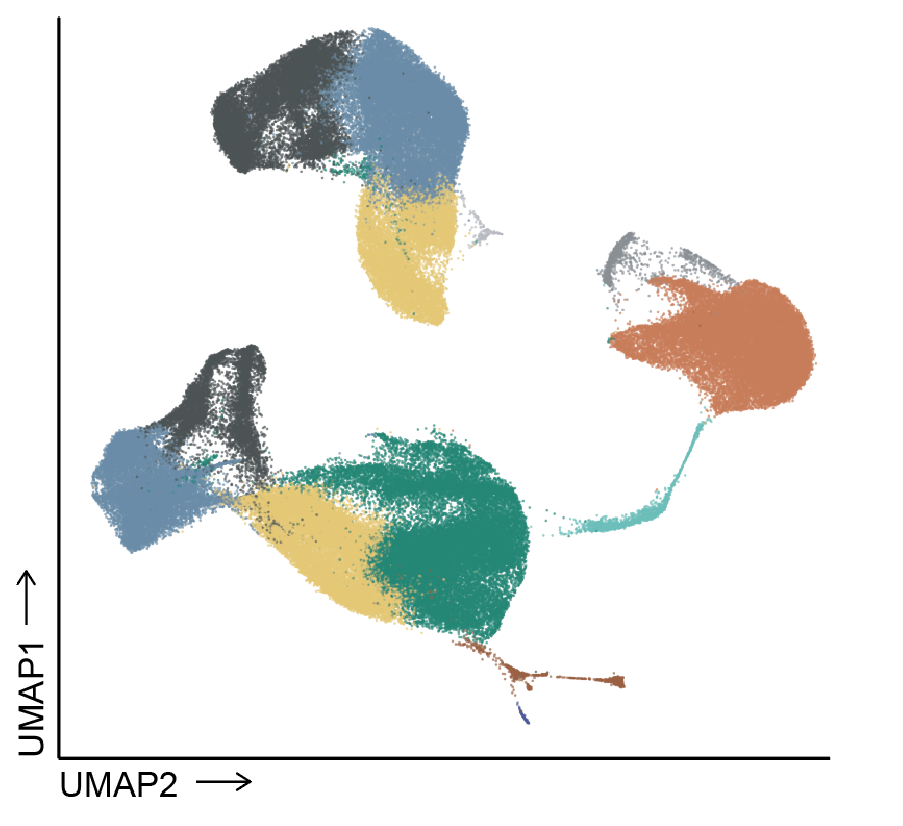
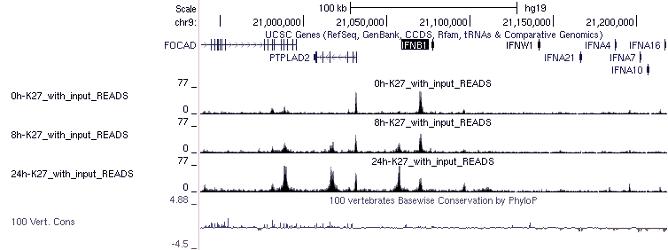
01.2
Infection can profoundly alter the host chromatin landscape, with consequences for gene regulation that may extend beyond the acute phase. We investigate the viral and host factors that drive this epigenetic reprogramming, and map changes in chromatin accessibility and DNA methylation at regulatory regions over the course of infection and recovery.
Approaches
01.3
Following viral clearance, does the epithelium return to its pre-infection state, or does it retain a molecular memory of infection? This question links our work on RNA processing and chromatin to tissue repair and long-term respiratory health.
Host transcriptional and chromatin states return to baseline as the epithelium regenerates.
Infection-induced changes persist beyond viral clearance, impairing repair and sustaining inflammation.
Determining which outcome prevails, and the mechanisms that govern it, is a central aim of the lab.
02
Mechanistic insight provides the basis for intervention. In the longer term, we aim to translate our findings into strategies that target both the virus and its lasting effects on the host.
Long-read and multi-omic profiling of infected cells to identify infection-specific RNAs, proteins and chromatin states.
Biochemical and molecular dissection of how these molecules and states arise.
Perturbation in airway and mouse models to test their effect on infection and recovery.
Prioritisation of host and viral factors that drive disease or impair repair.
Translating mechanism into intervention against the virus and its lasting effects on the host, for example with antisense oligonucleotides (ASOs).
We are always looking for curious and motivated individuals who share our passion for RNA and molecular biology, and who bring a sense of fun, curiosity, and adventure to scientific discovery!